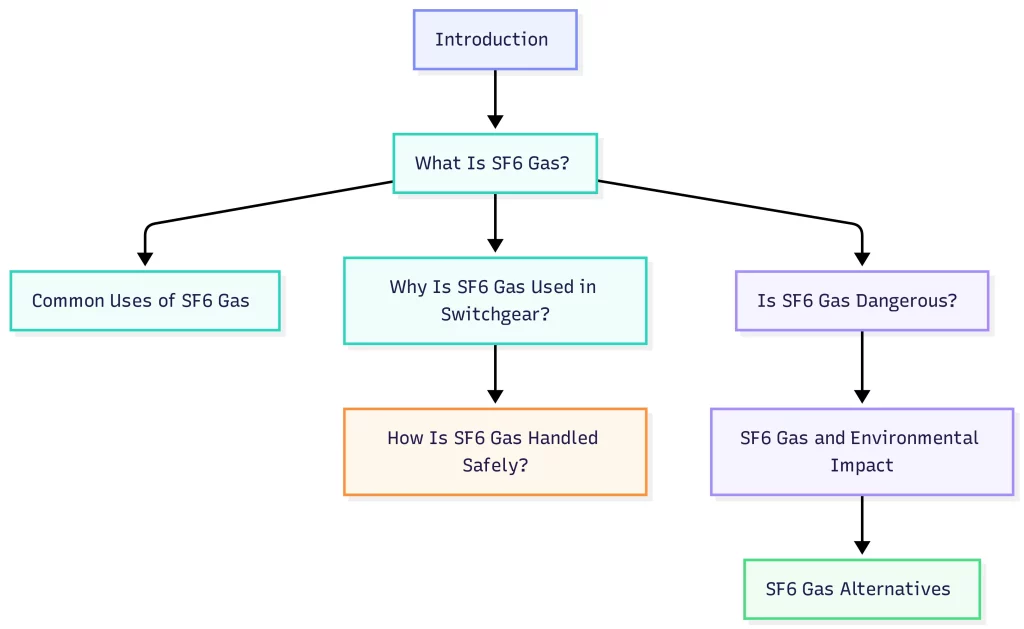
Introduction
SF6 gas, or sulfur hexafluoride, is an insulating gas used in high-voltage electrical equipment such as GIS, circuit breakers, and switchgear. It is known for strong dielectric performance, arc-quenching ability, and stable operation in sealed systems.
For power equipment manufacturers and service teams, SF6 remains an important working medium in many installed assets. At the same time, leakage control, gas recovery, and environmental compliance have become more important in recent years.
What Is SF6 Gas?
SF6 stands for sulfur hexafluoride. It is a colorless, odorless, non-flammable gas used in the electrical industry for insulation and arc interruption.
Its main technical advantages include:
- High dielectric strength
- Strong arc-quenching performance
- Good stability in enclosed equipment
- Support for compact equipment design
Because of these characteristics, SF6 is widely used in gas insulated switchgear, gas insulated substations, and high-voltage circuit breakers.
Why Is SF6 Gas Used in Switchgear?
SF6 is used in switchgear because it helps manufacturers and operators combine electrical reliability with compact design.
Main reasons SF6 is used
- It insulates energized components in a limited space
- It suppresses arcs during switching operations
- It supports reliable performance in sealed systems
- It is suitable for high-voltage applications where air insulation would require larger equipment
This is why SF6 is common in GIS, circuit breakers, and related substation equipment.
Common Uses of SF6 Gas
SF6 gas is used in several parts of the power sector.
Power Industry – Gas insulated switchgear
SF6 serves as high-performance insulating and arc-extinguishing medium inside GIS,
Electronics & Semiconductor Industry
High-purity SF₆ is mainly used as etching and cleaning gas in semiconductor chip, LCD/OLED panel and photovoltaic cell manufacturing.
Metallurgy & Metal Processing
SF₆ is used as an inert protective gas to prevent oxidation and combustion of molten metals during smelting, casting and heat treatment.
Medical Industry
SF₆ is applied as ultrasound contrast agent to enhance imaging clarity and as intraocular filling gas for retinal detachment repair in ophthalmic surgery.
Is SF6 Gas Dangerous?
SF6 requires controlled handling. While the gas itself is stable under normal conditions, maintenance and leakage situations can create real operational and safety concerns.
Main safety concerns
- In confined spaces, leaked gas can reduce oxygen concentration
- Byproducts generated after electrical arcing may be hazardous
- Improper recovery or transfer can increase operator and environmental risk
Safe handling practices
- Use leak detection before and during service
- Test gas quality before reuse
- Recover gas instead of venting
- Ventilate enclosed work areas
- Follow site-specific maintenance procedures
SF6 Gas and Environmental Impact
SF6 is widely recognized as a greenhouse gas with high global warming potential. Because of that, utilities, OEMs, and maintenance teams are under pressure to reduce emissions and improve gas management.
Current priorities in the market
- Better leak control
- Higher recovery rates
- Gas recycling and reuse
- Stronger reporting and compliance procedures
- Evaluation of SF6 alternatives for future projects
This is one reason why SF6 gas analyzers, leak detectors, recovery units, and regeneration systems have become more important in service workflows.
How Is SF6 Gas Handled Safely?
A proper SF6 handling workflow usually includes several steps.
1. Detection
Leaks are checked with portable detectors or fixed room monitoring systems.
2. Analysis
Gas is tested for purity, humidity, and decomposition products before reuse.
3. Recovery
Gas is recovered from equipment instead of being released.
4. Refilling
After maintenance, the gas is transferred back under controlled conditions.
5. Recycling or regeneration
Where needed, recovered gas is filtered or purified for reuse.
Equipment Commonly Used with SF6 Gas
Teams working with SF6 often use:
- SF6 gas analyzer
- SF6 leak detector
- SF6 gas filling cart
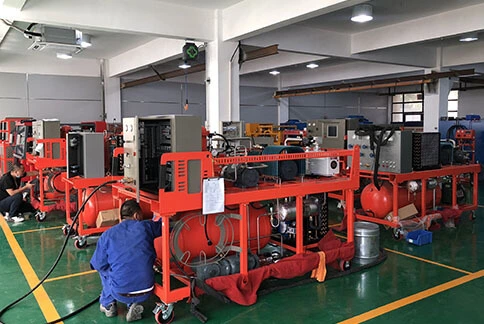
- SF6 recovery unit
- SF6 regeneration system
- SF6 room monitor
These tools support safer maintenance, better gas control, and lower loss during service operations.
SF6 Gas Alternatives
Many operators are now reviewing alternatives to SF6, especially for new projects and future compliance planning. The right replacement depends on voltage class, equipment design, local standards, and operating conditions.
SF6 remains common in many installed systems, but the market is moving toward lower-emission options in selected applications.
FAQ
What does SF6 stand for?
SF6 stands for sulfur hexafluoride.
What is SF6 gas used for?
It is mainly used for insulation and arc quenching in switchgear, GIS, and circuit breakers.
Why is SF6 used in switchgear?
Because it offers strong insulation performance and supports compact high-voltage equipment design.
Is SF6 gas harmful?
It must be handled carefully. Leakage and decomposition byproducts can create safety and environmental concerns.
How do you detect SF6 gas leaks?
Portable SF6 leak detectors and fixed room monitors are commonly used in maintenance and service environments.
Related Solutions
- SF6 Gas Handling Equipment
- SF6 Gas Analyzer
- SF6 Leak Detector
- SF6 Room Monitor
- SF6 Gas Systems for GIS Manufacturers
Contact Us
Need help selecting SF6 equipment for analysis, leak detection, recovery, refilling, or recycling? Contact our team for application support and product recommendations.